
DOWNLOAD THE APP


Customer Support

Desert Online General Trading LLC
Warehouse # 7, 4th Street, Umm Ramool, Dubai, 30183, Dubai
DOWNLOAD THE APP
Customer Support
Desert Online General Trading LLC
Warehouse # 7, 4th Street, Umm Ramool, Dubai, 30183, Dubai
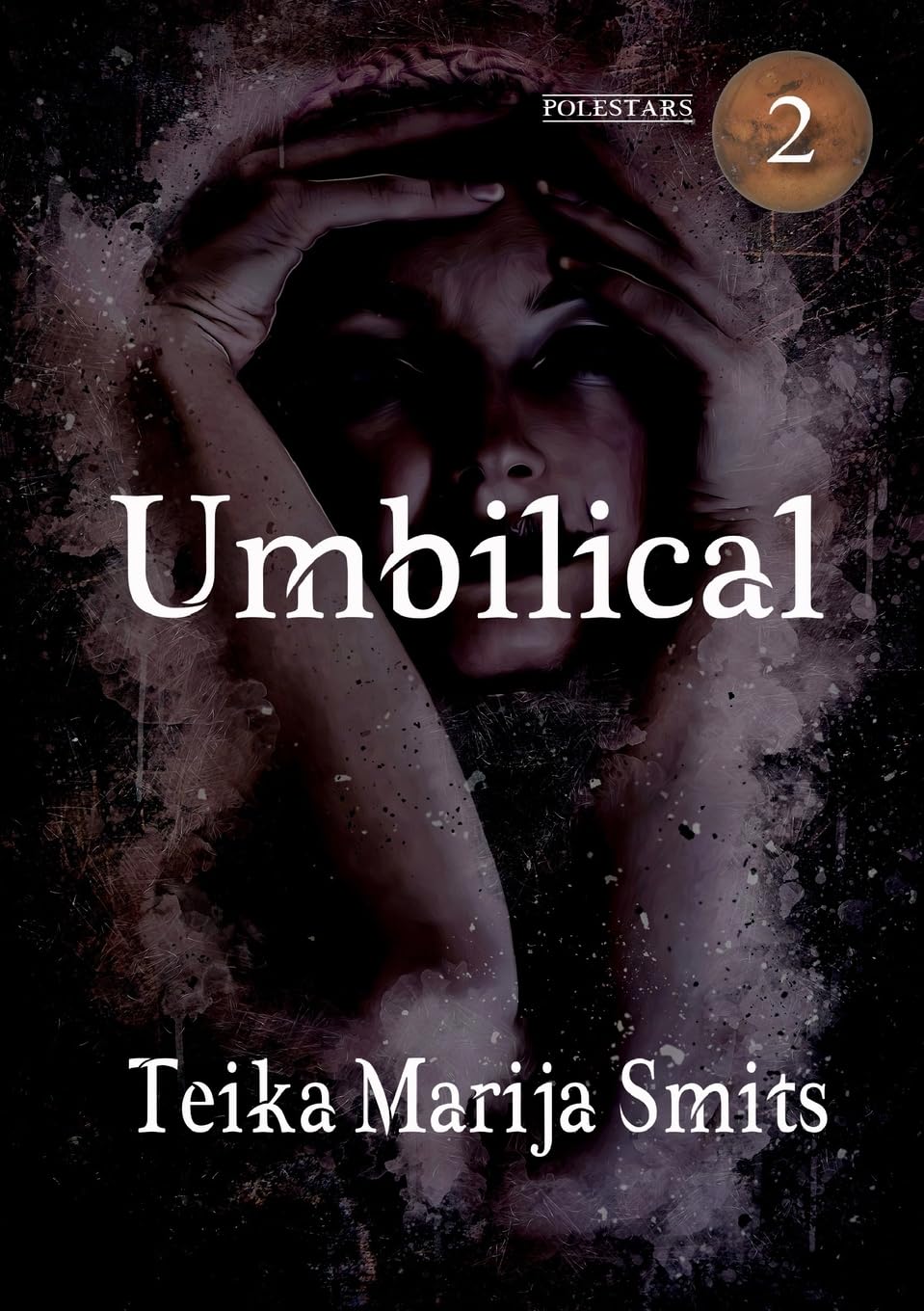
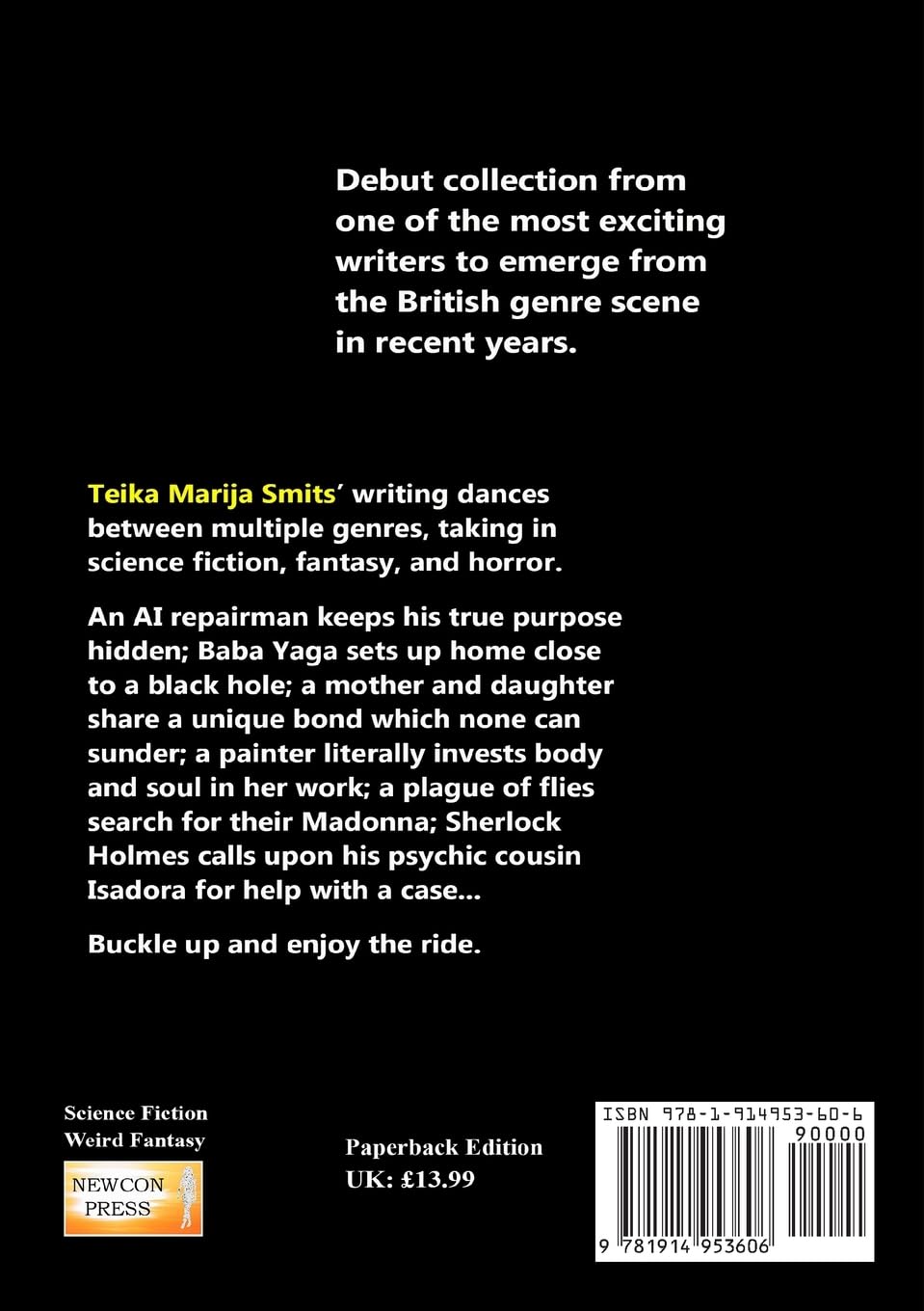
Umbilical
M**T
Outstanding, intelligent, compassionate, imaginative
After reading Umbilical I decided to wait a while before reviewing it, as all I would have said (or blustered breathily) would have been, “It’s brilliant! It’s brilliant! It’s brilliant! Buy it buy it buy it!” So I decided to take some time. Then I got ill, which meant I could barely do reviews I’d promised to publishers. Anyway -- the phrase ‘debut story collection’ feels wrong. This reads like the collection by a star of genre fiction, a writer who is at the top of their game. The sheer variety of fiction is a delight, as you can surmise from the story titles listed in the description. Then, Smits has both the intellectual and emotional intelligence to create believable outcomes of her ideas, and the way her characters will react. So - and this is vital with genre fiction - it feels very real. The stories take the reader on a colourful and exciting journey, to places light and dark. Smits’ background as an artist and poet enrich the language and concepts too.Oh, which stories to mention? (ALL of them. They’re BRILLIANT.) I can’t pick a few.So what did I dislike? Umm… er… in one piece of fiction set in the late 19th century, I believe that a word was misused - used according to dictionary definitions, true, but not the way it was used in the literature of the time.That’s it for negativity.Sorry.The final story is called The November Room, or Leaving the Labyrinth. It’s up there with the SF/F stories that have stayed with me since my childhood. I cried when it finished, and also because the book was finished.Smits may be a new star, but believe me, she’s going to shine and shine and shine. Snaffle some of that starlight for yourself. It’s brilliant.
H**R
Great!
This collection of short stories defies expectation and takes the reader on a wild journey. Smits is an amazing writer who knows how to create realistic and relatable characters. While her stories cross many genres from sci-fi to fantasy to horror and just about everything in between, her style is all her own. I particularly loved the short story Umbilical as I related to the feelings, having lost my own child to cancer. Smits proves there isn't a genre or topic she can't successfully tackle. Her brazenness in taking on each genre with consistency and thoroughness proves she is an author to watch. As happens with short story collections, there were a few stories I couldn't get in to, however, I suspect that is simply matter of personal taste. All were written well and felt complete. Some were intriguing enough, I wanted more and thought could be expanded into a novella or novel. At every point, I felt I was reading a well thought out and professional story. Smits is especially adept at setting a scene and inviting the reader to join the characters on their journeys. Well done!- Guest Goat Juliet
G**S
Stylish, intriguing, beautifully written
While savouring this stunning collection of stories, I kept asking myself (as an avid reader and writer) ‘What’s the most effective way of getting a reader’s attention?’ Because Umbilical does grab the attention and does not let go. It’s stylish, intriguing, beautifully written. There are characters and concepts that fascinate, beguile, bewilder. But there is something else going on here …Teika Marija Smits is not writing sci-fi, fantasy, horror or speculative fiction for its own sake; she is employing elements of these in ways that are on-point. Whether a story has social justice at its core, the human condition, relationships, or the dangers of unfettered medical and tech development, the ideas are handled with subtlety and skill.She trusts her own intuitions, too – like the narrator of the title story who hears “those ancient, knowing whisperings arising from my womb”. Smits knows that the ‘darker’ parts of ourselves that we so often dismiss are the places where treasures may be found.Because it would be difficult to summarise any of the stories (without committing spoiler-crime), I can only tantalise and tease:In ‘Death of the Grapevine’ we meet a computer engineer whose job it is to troubleshoot an in-house AI system and carry out a bizarre and strangely sad form of maintenance. In ‘His Birth’, amid the sensitive and powerful rendering of the bond between a mother and child, we meet a creature known as a lamphine. In ‘Girls’ Night Out’ the first-person plural pronoun ‘we’ takes on a whole other mysterious and resonant meaning. In ‘Our Lady of Flies’, loss, misunderstanding and a failing relationship are deftly explored. In other stories, such as ‘Star Making at Sellafield’, we encounter tenderness and hope.As for the earlier question (What’s the most effective way of getting a reader’s attention?) Teika Marija Smits’s answer is to explore issues from quirky angles, thereby offering unique, enthralling perspectives.A thoroughly engaging and enjoyable collection.
Trustpilot
3 weeks ago
1 week ago